Tree Removal
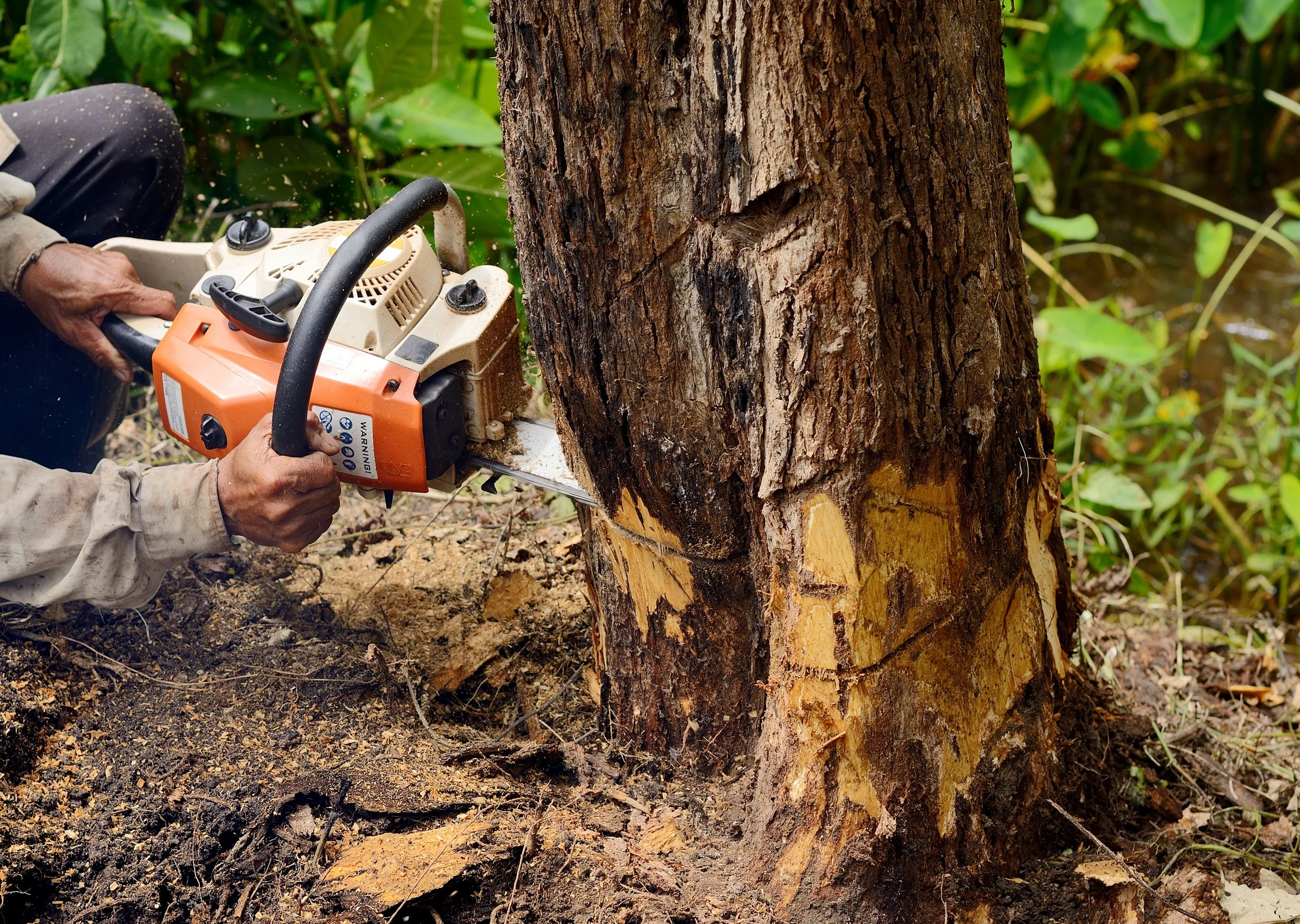
Tree removal is sometimes the safest and most practical solution for protecting your home, property and surrounding landscape. At Coastal Tree and Land, tree removal services are provided for residential properties across Baldwin County and nearby communities. Whether a tree is damaged, diseased, leaning or simply no longer suitable for its location, removing it can help reduce risk and restore usable space.
Tree removal is often needed when a tree becomes structurally unstable. This can happen due to storms, root issues, disease or natural decline over time. A tree that is dropping large limbs, leaning unexpectedly or showing visible decay may pose a risk to nearby structures, vehicles or people. In these situations, removal becomes a responsible step toward preventing further damage.
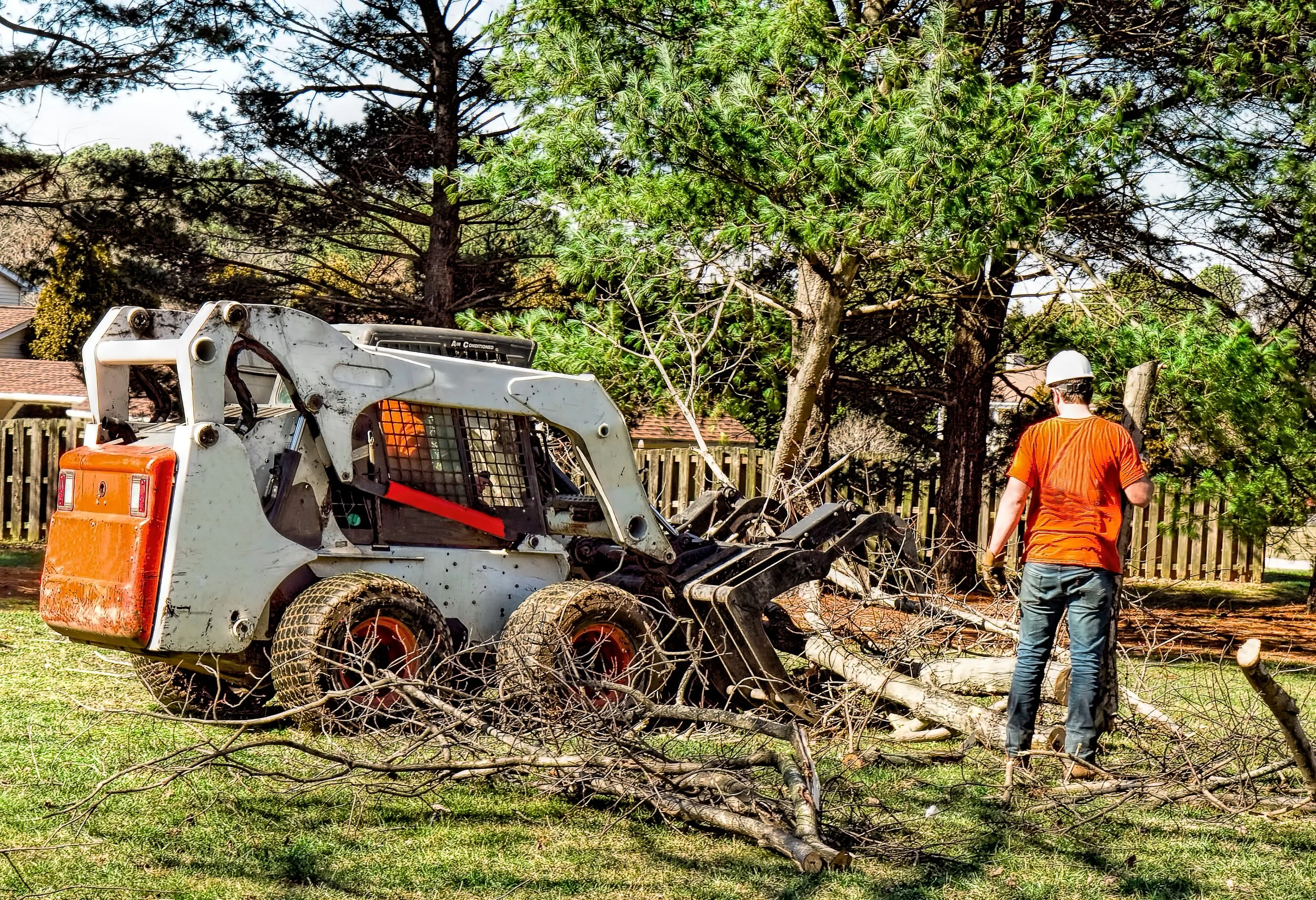
Coastal Tree and Land handles tree removal with careful planning based on the tree’s condition and its surroundings. Each job is approached with attention to nearby structures, driveways, fences and landscaping to reduce unnecessary disruption while safely removing the tree.
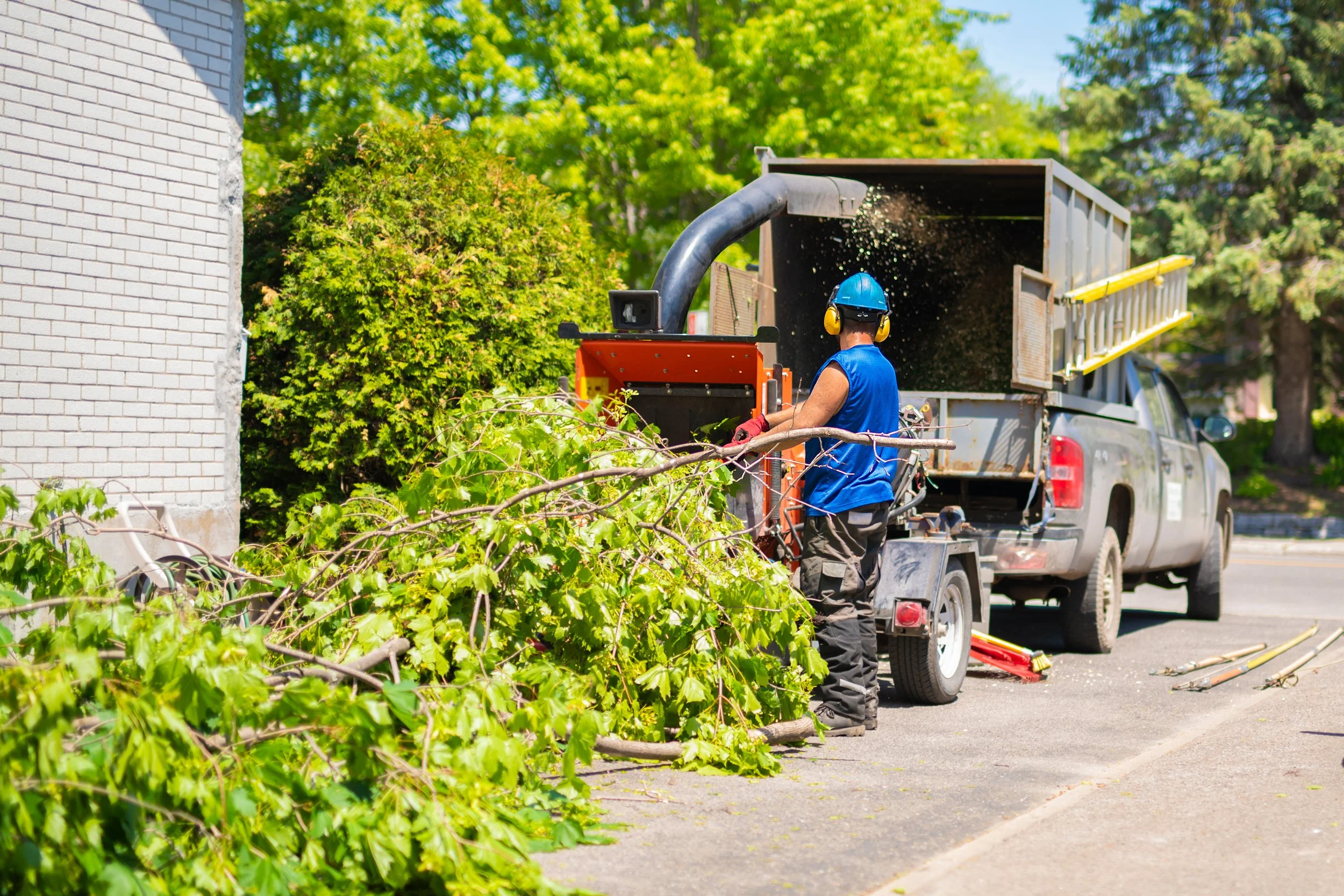
Tree removal is also closely connected to other common property needs such as tree trimming, stump grinding and emergency tree services. These services often overlap depending on the condition of the property and the urgency of the situation. Trimming can help manage overgrowth and reduce risk before removal becomes necessary, while stump grinding addresses what is left behind after a tree has been taken down. Emergency tree services are used when immediate action is needed after storms or sudden tree failure.
More about the company and its full range of tree care services can be found through Coastal Tree and Land, where homeowners across the area learn more about how the team approaches tree work and property care.
When Tree Removal Is the Right Choice?
Not every tree needs to be removed, but certain conditions make it the safest option. A tree that is clearly dead or in advanced decline will continue to weaken over time and may become unpredictable in high winds or storms. Trees with major trunk damage or exposed root systems can also become unstable.
Placement is another important factor. Trees growing too close to homes, garages, power lines or fences can create long term issues as they continue to grow. Even healthy trees can become problematic if they are in the wrong location or interfering with structures.
In some cases, tree trimming can extend the life of a tree and improve its structure. In others, trimming may only delay the need for full removal if the damage or instability is already significant. Evaluating the condition of the tree helps determine the right approach.
The Tree Removal Process
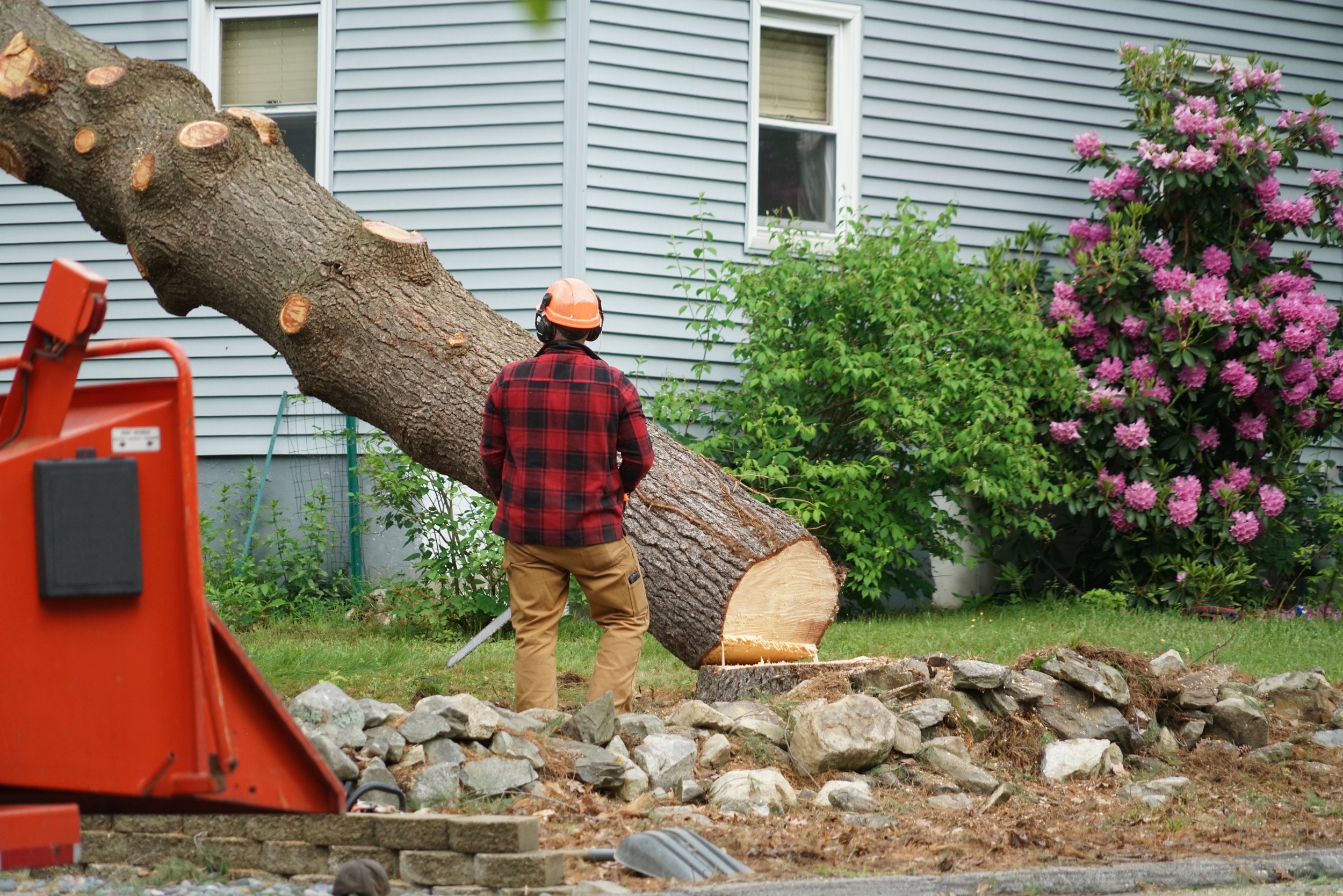
Every tree removal project begins with assessing the tree and the surrounding area. This helps determine how the tree should be taken down and what equipment will be needed. Some trees can be removed in sections, while others require more direct cutting depending on their size and position.
Safety is a key part of the process. The surrounding area is cleared as much as possible before work begins to help protect nearby structures and landscaping. The tree is then removed in a controlled manner, with attention to how each section is lowered and cleared from the site.
Once the tree is removed, cleanup is completed so the area is left in a usable condition. Depending on the situation, stump grinding may be discussed to remove what remains below ground level and prepare the space for future use.
Tree removal is not only about removing a tree but about managing risk and helping maintain a safe, functional property. Whether it is planned ahead of time or part of a more urgent situation, having the right approach makes the process more manageable.